

The 4.4L V8 In The 2006–2009 Range Rover / LR3 Might Be The Most Reliable Engine Land Rover Ever Made
There are two types of Land Rover owners:
- People who check the engine light and panic
- People who see the engine light and go “yeah that tracks”
Because let’s be honest…
Land Rover’s reputation for reliability has been, uh…
not amazing.
So when people talk about owning an older Range Rover or LR3, the first question is always:
“Yeah but what engine does it have?”
And if the answer is:
“The 4.4 V8.”
Suddenly everyone relaxes a little.
Because that engine?
Isn’t really a Land Rover engine.
It’s Actually A Jaguar Engine
The 4.4L V8 found in:
- 2006–2009 Range Rover (L322)
- 2005–2009 LR3 (Discovery 3)
Is part of the Jaguar AJ-V8 engine family.
Which means:
It was engineered by Jaguar…
During the Ford ownership era…
Back when Ford was throwing real money at improving British luxury car reliability instead of just vibes and leather stitching.
So instead of some experimental, bespoke Land Rover motor…
You got a:
- Naturally aspirated
- 4.4L DOHC V8
- Chain-driven timing setup
- Aluminum block
- Proven architecture
Making around:
300 horsepower
315 lb-ft of torque
Nothing insane by today’s standards…
But also:
No turbos
No direct injection
No hybrid system
No software trying to optimize your life choices
Just a big NA V8 doing big NA V8 things.
No Turbo = No Drama
Modern luxury SUVs are full of:
- Twin turbos
- Direct injection
- High pressure fuel systems
- Electrified cooling loops
- Variable oil pumps
- Software-controlled everything
Which is great for performance…
But also great for repair bills.
The 4.4 AJ-V8?
Predates most of that.
It uses:
- Multi-port fuel injection
- Traditional throttle body
- Simple naturally aspirated airflow
Which means:
No boost leaks
No turbo heat soak
No HPFP failures
No carbon buildup nightmares
Maintenance is more like:
- Fluids
- Coils
- Plugs
- Cooling system refresh
Instead of:
“Yeah so your turbo actuator failed and now the entire intake manifold needs to come off.”
It Actually Lasts
This is the part that shocks people.
Because while the:
- Air suspension
- Transfer case
- Electronics
- Window regulators
- Literally anything British
…might still give you problems…
The engine itself?
Owners regularly see:
- 180K miles
- 200K miles
- Sometimes 250K+
With basic maintenance.
Oil changes.
Cooling system upkeep.
Not overheating it.
That’s really it.
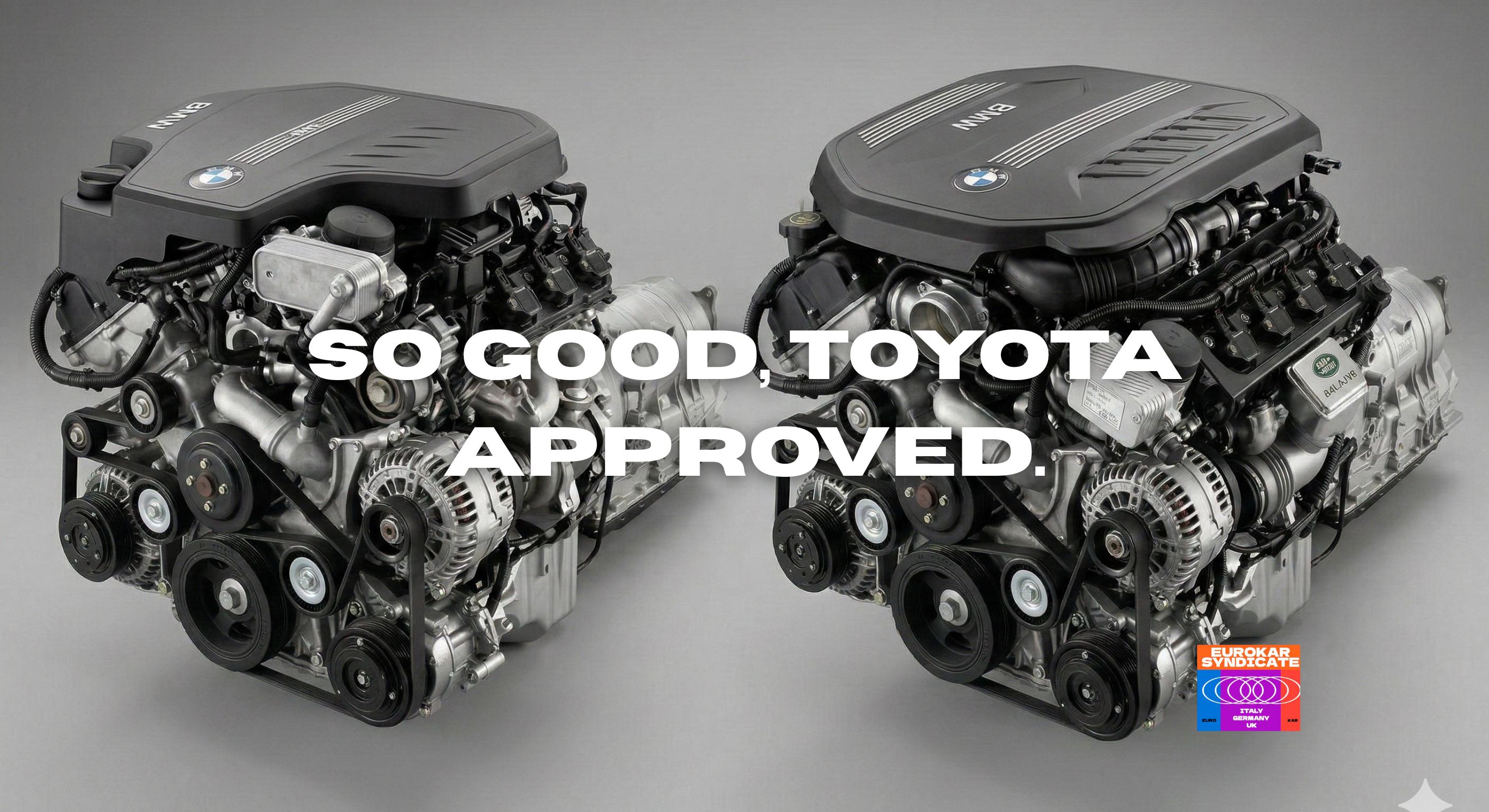
Unlike the later supercharged 5.0L engines, which are known for:
- Timing chain guide issues
- Water pump failures
- Coolant crossover leaks
The 4.4L NA V8 avoids a lot of the “modern performance engine” failure points entirely.
It’s Not Fast — And That’s The Point
Let’s be clear:
This isn’t a drag racing motor.
A 2007 Range Rover with the 4.4 isn’t winning any street pulls.
0–60 is somewhere in the:
“Eventually” range.
But what it does have is:
- Smooth torque delivery
- Predictable throttle response
- Quiet highway cruising
- No sudden boost spikes
- No transmission confusion
It’s an engine built for:
Long drives
Off-road crawling
Towing
Daily commuting
Basically:
Doing Range Rover things without acting like a ticking time bomb.
The Last “Simple” Range Rover Engine
Later Land Rover engines got:
More power
More tech
More emissions equipment
More complexity
And unfortunately…
More problems.
The 4.4 sits right in that sweet spot where:
Modern enough to be comfortable
Old enough to be serviceable
Simple enough to last
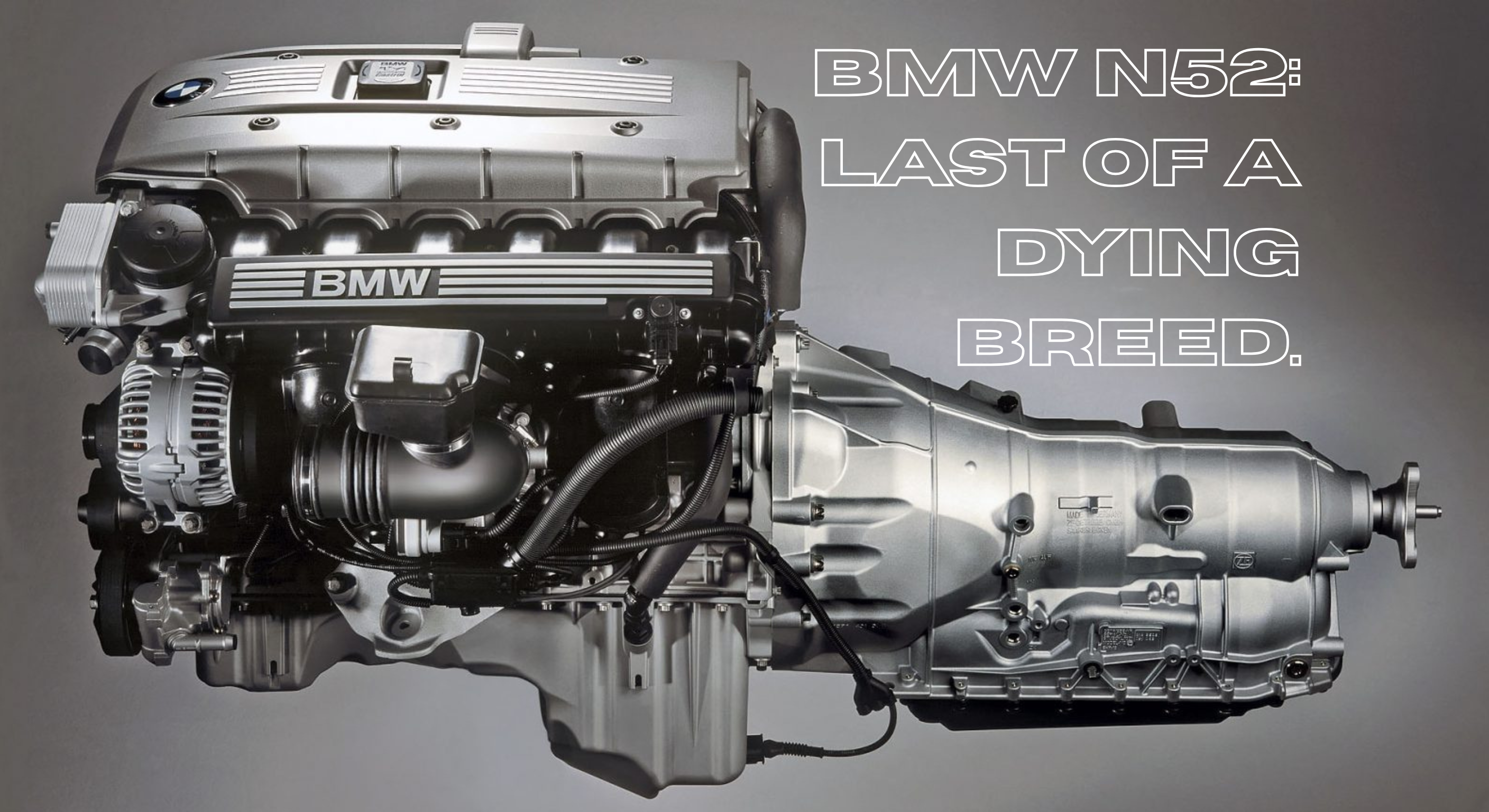
It’s kind of like the:
BMW N52
Toyota 2UZ
GM LS
Of the Land Rover world.
Not the flashiest.
But the one you’d actually want to own out of warranty.
The Takeaway
Buying an older Range Rover is usually a gamble.
But if you’re looking at:
2006–2009 L322 Range Rover
Or
2005–2009 LR3
And it has the 4.4L naturally aspirated V8?
That’s about as safe as it gets in Land Rover terms.
Because even if the:
Air suspension
Infotainment
Or electrical system
…decides to take the day off…
There’s a good chance that V8 will still fire up and get you home.
No turbo required.

Leave a Reply